Plan a Wallpaper Feature Wall Around the Actual Surface
Choose the wall, measure the interruptions and separate visual layout decisions from roll estimates.
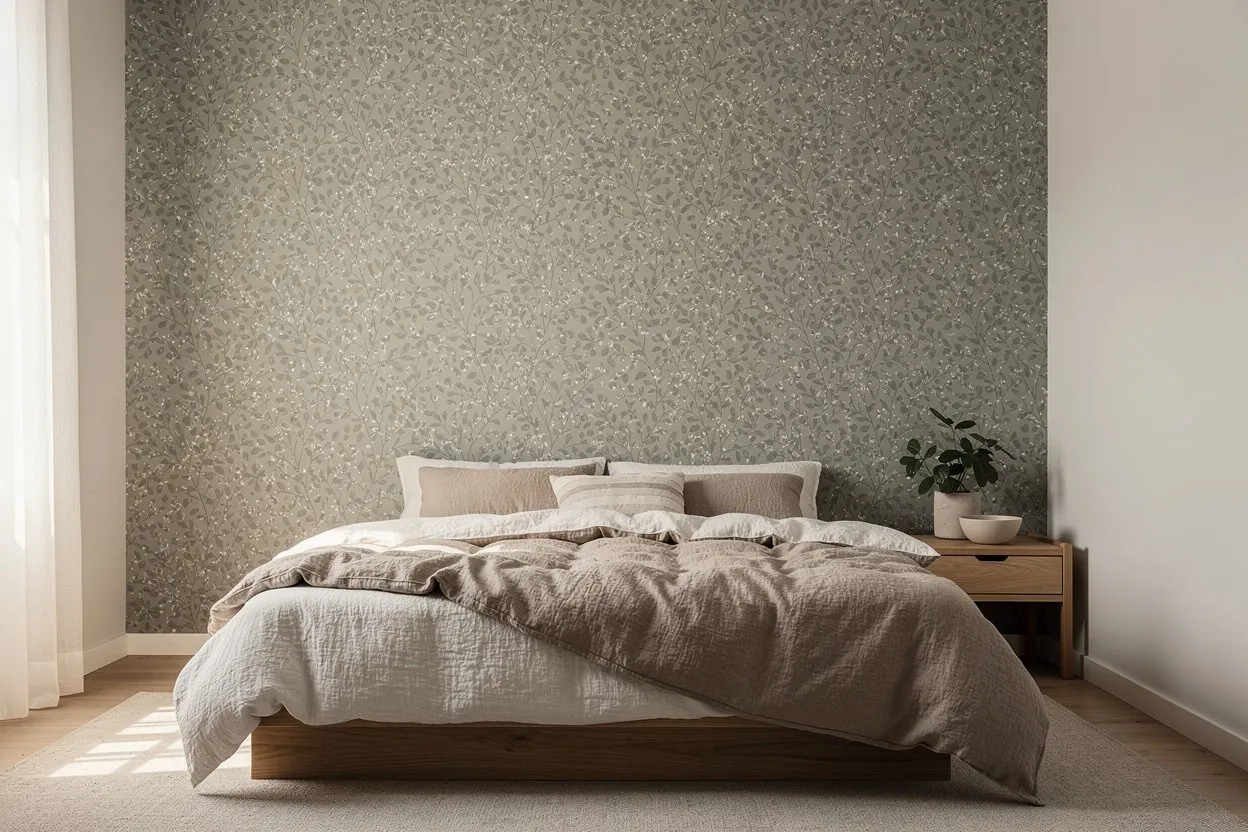
A feature wall is a smaller project than papering an entire room, but it still needs a complete plan. The selected wall may contain a doorway, a radiator, sloping sections or furniture that hides much of the design. Start with the actual surface and the view from the room, then choose the paper and calculate quantities. Do not let an attractive sample replace the measurement step.
Decide the boundaries of the feature
Identify exactly where the wallpaper begins and ends. Is it one complete wall, a recessed section or a panel between architectural features? Mark those boundaries on a sketch and note which adjacent surfaces will remain painted. The boundaries should be physically understandable, not just implied by the mood board.
Consider how the wall is seen from the doorway and from the places where people sit. Large furniture can hide a central motif, while strong light may change the appearance of texture. Use a sample to judge color and finish in the room, but check whether it shows enough of the design to assess the full pattern.
Measure the usable surface and interruptions
Record wall width and height, plus openings, returns and changes in level. For the simplified full-height-drop method, large openings do not automatically remove the need for strips above and below them. Keep these details for a cutting layout rather than reducing the project to one net area number.
Check the condition and suitability of the wall against the paper manufacturer’s instructions. Surface preparation, existing coatings and moisture concerns should be resolved before installation. Do not use a decorative layer to conceal an unresolved underlying problem.
Compare layout with material quantity
Use the wallpaper calculator to estimate a simple rectangular wall from the actual roll width, length and supported repeat assumptions. Then examine whether the pattern placement you want changes the cutting plan. Centering a motif or handling a complicated opening may require additional material beyond a basic strip count.
Ask the supplier to confirm unusual matching requirements or a layout with very little spare material. Keep the paper name, colorway and batch information with the estimate. The cheapest exact roll count is not helpful if it leaves no workable cutting arrangement.
Coordinate the surrounding finishes
If the other walls will be painted, calculate those surfaces separately with the paint calculator. Keep wallpaper and paint preparation instructions distinct. Plan the order of work using the relevant product guidance so that one stage does not damage or contaminate another.
Before starting, check all rolls for the correct product and visible issues without disregarding the supplier’s inspection and return conditions. Confirm tools, adhesive if needed and access to the entire wall. A feature wall works best as a small, complete project: a clear boundary, an intentional design placement, a suitable surface and enough material for the actual pattern rather than an area-only guess.