Estimate Wallpaper Rolls Using Full-Length Drops
Count usable wallpaper drops per roll instead of relying only on total wall area.
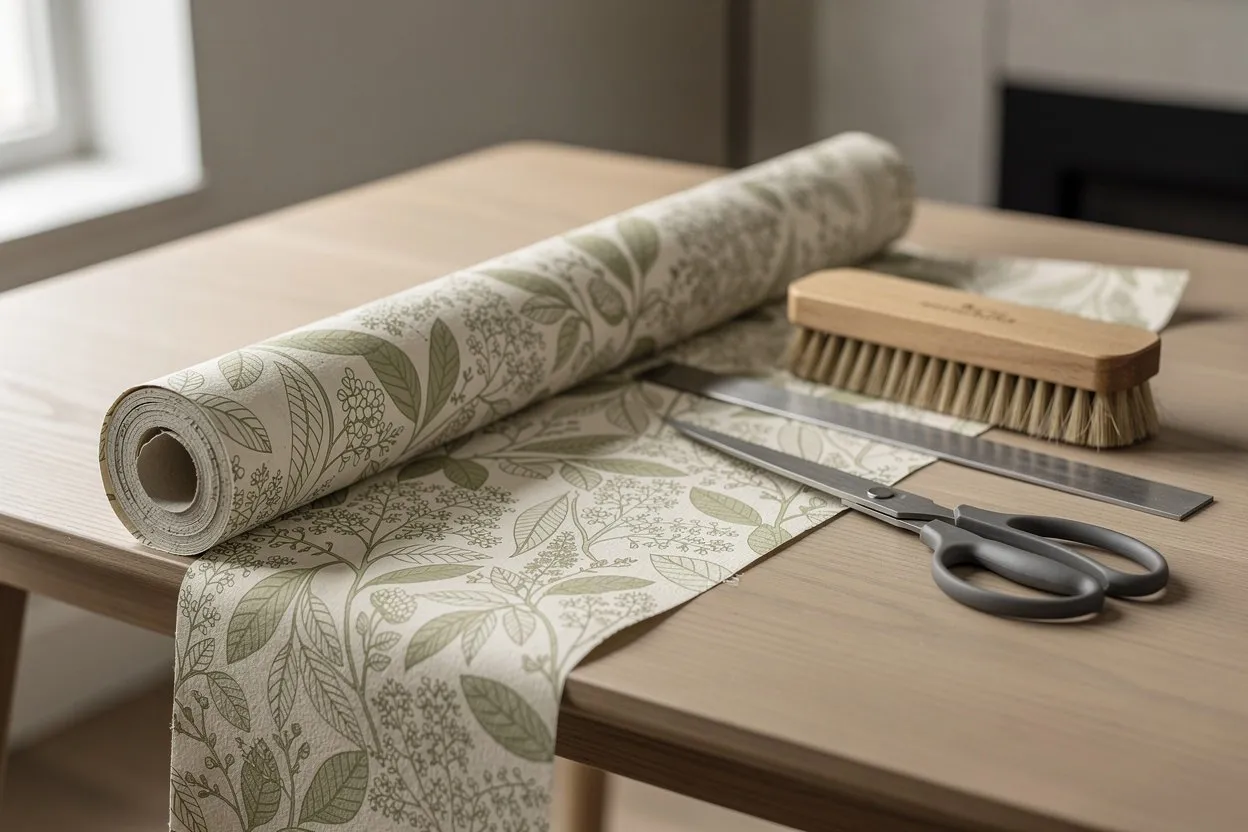
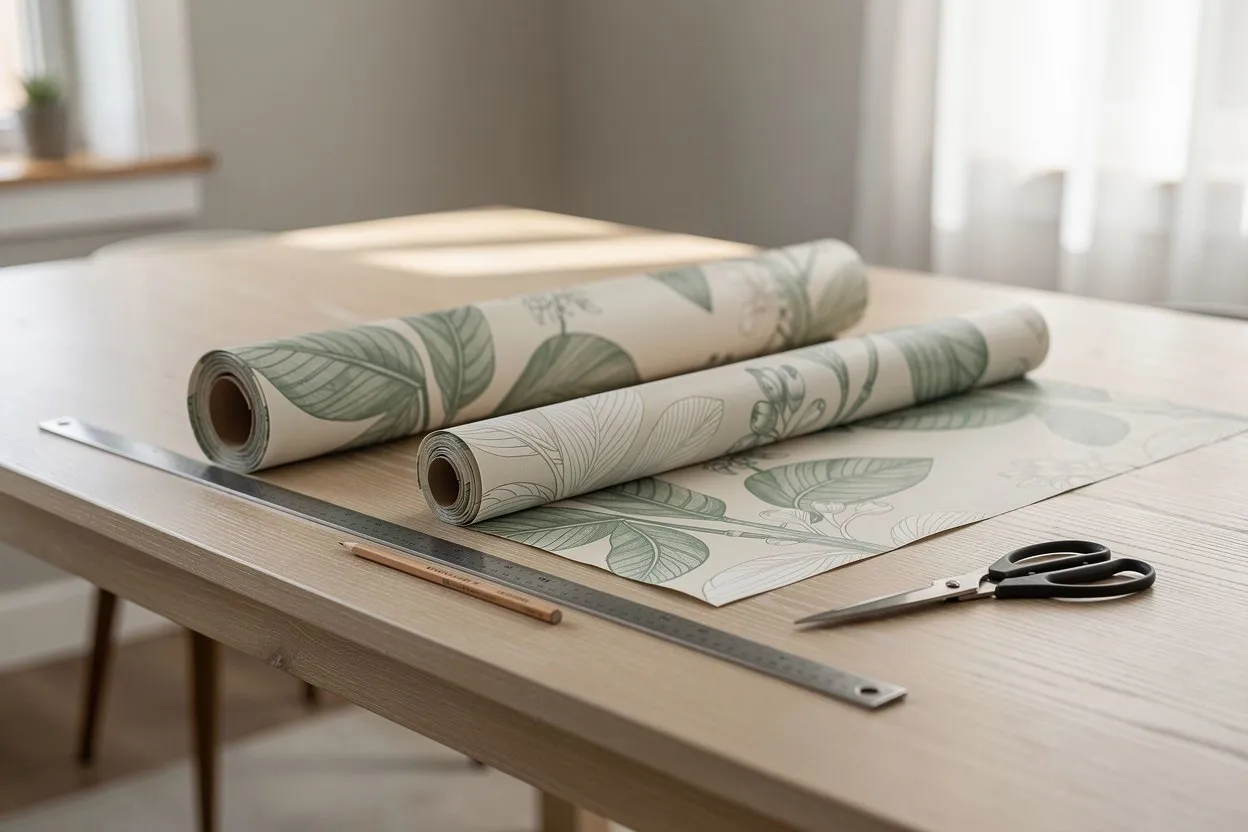
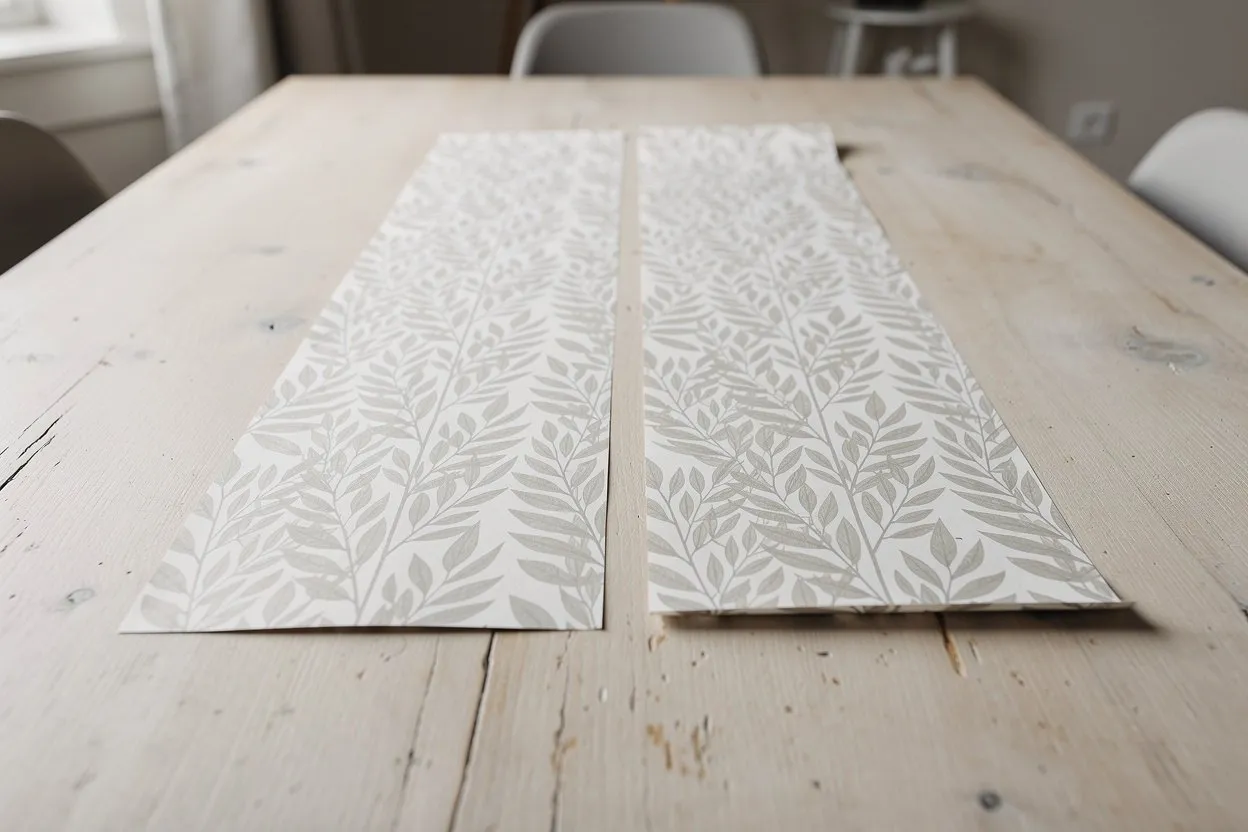
Wallpaper is supplied in rolls but installed in strips, often called drops. A roll may contain enough total area on paper while still failing to provide the number of full-height strips your wall needs. For a simple straight wall, estimate the strip count first, then work out how many usable strips each roll can provide. Pattern matching and product instructions can change the result.
Record the actual roll dimensions
Use the width and usable length of the exact product you plan to buy. Roll sizes are not interchangeable, and a product listing may use packaging terminology that needs clarification. Check whether the price and dimensions refer to one physical roll or a differently described sales unit.
Measure the wall width and height, then record the trimming allowance required by the installation instructions. Keep all lengths in one unit system. Do not confuse the width of the roll with its length when entering the wallpaper calculator.
Count the strips needed across the wall
For a plain rectangular wall, divide the wall width by the roll width and round up to a whole strip. A 4 metre wall using 0.5 metre wide paper needs 8 strips. A 4.1 metre wall needs 9 strips under this simplified method because a partial-width final strip still uses material.
Openings and corners can complicate the layout. Do not simply subtract the area of a window and assume the remainder becomes reusable full-height strips. Smaller offcuts may be useful in some positions, but only a planned cutting layout can establish that reliably.
Count complete drops from each roll
Suppose the required cut length is 2.6 metres after the relevant height and trimming assumptions, and the usable roll length is 10 metres. Each roll provides 3 complete drops because four would require 10.4 metres. The unused length does not become another complete drop.
For 8 required drops at 3 per roll, round 8 divided by 3 up to 3 rolls. This example assumes an uncomplicated match. The Graham & Brown measuring guidance explains that match type and repeat affect the quantity required.
Confirm the estimate before ordering
Check the calculator’s assumptions against the product’s repeat and match instructions. Large repeats, offset matches, multiple wall heights and complicated openings need a more detailed layout or supplier confirmation. If the calculated drop length exceeds the usable roll length, the basic full-height-drop approach cannot work for those inputs.
Keep the room sketch, selected product and roll details together. Ask the supplier about batch consistency and any recommended spare material for your layout. Do not present the simplified result as a cutting plan. Its purpose is to produce a checkable starting estimate that you can reconcile with the actual paper before buying or cutting.