Check Wallpaper and Your Plan Before the First Cut
Verify roll labels, dimensions, matching instructions and wall measurements before cutting wallpaper.

Cutting turns a flexible wallpaper order into a specific installation plan. Before making the first cut, check that the rolls, measurements and instructions all describe the same project. This is a practical pause that can reveal an incorrect colorway, a misunderstood repeat or a wall measurement copied in the wrong unit. It is easier to resolve those questions while the material is still intact.
Compare the rolls with the order
Check the product name, colorway, dimensions and any batch identifiers. Follow the supplier’s advice about matching batches and inspecting for visible issues. Keep labels and purchase information available. If something does not match the order or appears defective, contact the supplier before cutting or installing it.
Do not assume that two rolls are identical because their outer packaging looks similar. Read the labels, particularly if multiple designs or rooms were ordered together. Store the rolls as instructed while you prepare the room rather than leaving them where they can become damaged.
Read the installation instructions in full
Identify the substrate requirements, adhesive or preparation method, hanging direction and pattern match. Different products may require different processes. A familiar method from a previous project is not automatically correct for the new paper.
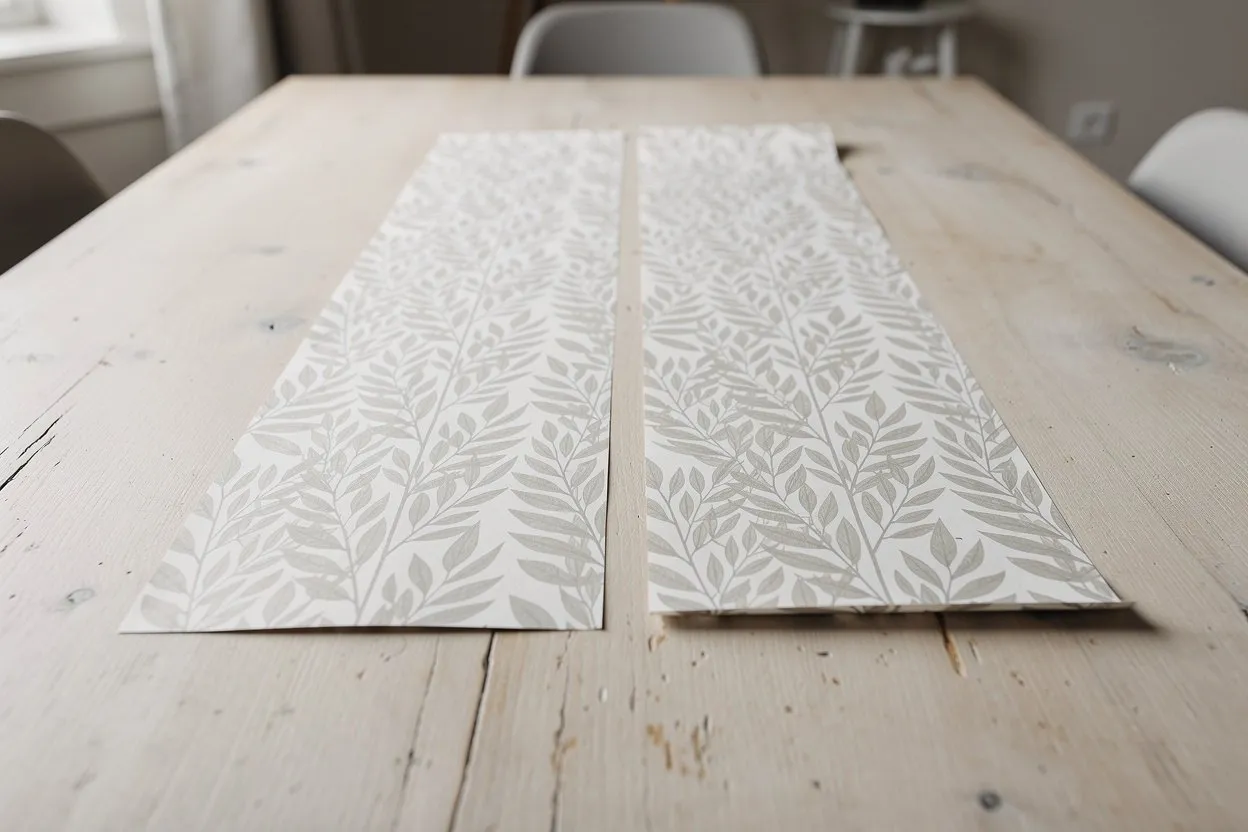
Write the repeat and match type beside the room sketch. If the instructions mention alternating or reversing strips, make that part of the cutting plan. Ask for clarification before proceeding if a symbol or phrase is unclear. Guessing at the meaning can consume material quickly.
Recheck the wall and the arithmetic
Measure the relevant heights and widths again, including any variation that affects full-length drops. Compare the measurements with the inputs saved in the wallpaper calculator. Confirm that units, roll width, usable length and trimming assumptions are correct.
Review how the layout handles corners, openings and the starting strip. A simple calculator result is not a full installation drawing. If the wall is irregular or the match is complicated, obtain a detailed layout or appropriate professional advice rather than trying to force it into the rectangular estimate.
Plan the first section, then verify it
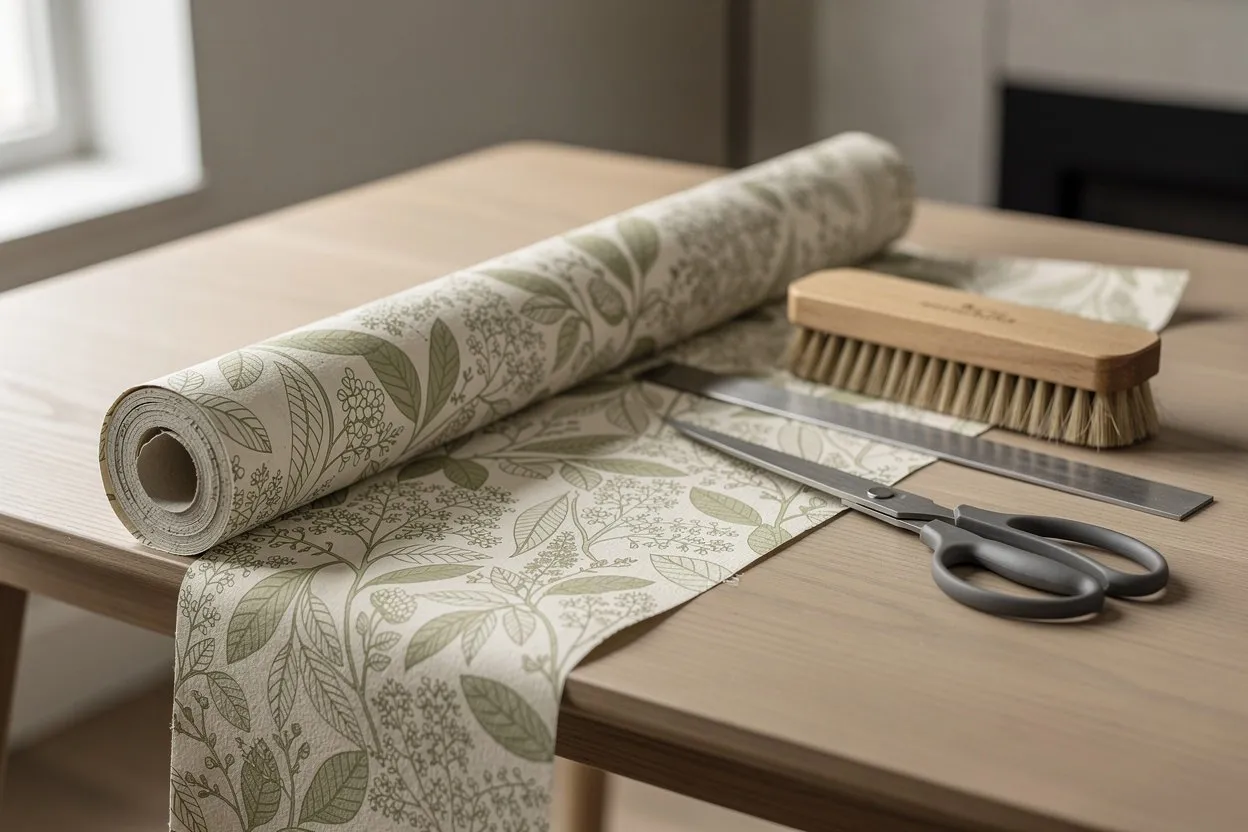
Follow the manufacturer’s procedure for marking, cutting and checking the initial strips. Keep the sequence organized so that lengths intended to match are not mixed up. Do not cut every roll in advance merely because the total quantity appears sufficient.
Protect the work surface and use appropriate tools according to their instructions. Keep offcuts identified until you know whether the layout has a suitable use for them, but do not count on short leftovers as substitutes for full-height drops. Record the final product and batch details with the room notes. If future repairs are anticipated, ask the supplier about retaining spare material and store it as directed. A careful first check makes the estimate useful in practice instead of treating a calculated number as permission to skip the product’s installation requirements.